
Why Showing Up Matters: The Quiet Loneliness of Counselling Practice

There’s a particular kind of loneliness that can come with being a counsellor. It’s not just the obvious kind because many of us don’t have colleagues on hand. Most of us spend our working hours deeply engaged with others, listening, holding, reflecting, supporting. On the surface, it can look like a very connected profession.
But beneath that, many counsellors will recognise something quieter, the experience of making complex decisions alone, holding responsibility without immediate peer reflection, and navigating the emotional weight of the work without colleagues just across the room.
Unlike many professions, we don’t have a team meeting at the end of the day.
We don’t turn to the person next to us and say, “Can I just run something past you?”
Instead, we carry questions:
- Did I respond in the best way I could?
- Am I missing something important here?
- Is this mine, or the client’s?
Supervision plays a vital role, of course. But it’s periodic by design. It doesn’t always meet the need for more immediate, informal, human connection with others who simply get it.
And over time, that gap can grow.

#campingcounsellors
The Hidden Cost of Working in Isolation
Working in isolation doesn’t just affect how supported we feel—it can subtly impact our confidence, our perspective, and even our resilience.
Without regular peer contact, it’s easy to:
- Second-guess ourselves more than we need to
- Feel like we’re the only one finding something difficult
- Lose sight of the breadth of approaches and ways of working that exist
What we miss isn’t just advice—it’s normalisation. It’s the small, grounding moments of hearing, “Oh yes, I’ve had that too.”
#whatsinaname
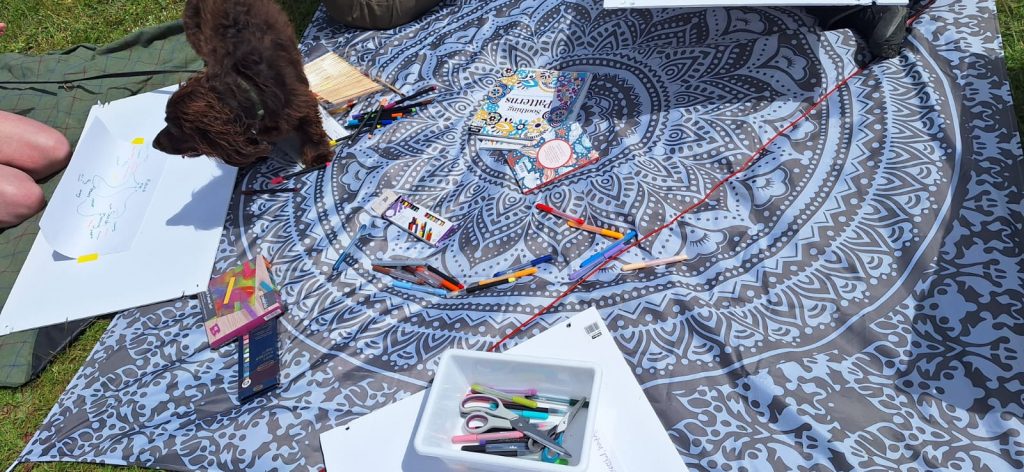
Why Coming Together Matters
This is where spaces like the monthly breakfast become more than just a diary entry.
They become a point of reconnection:
- With peers who understand the nuances of the work
- With the wider professional community we’re part of
- With ourselves, as practitioners—not just as individuals carrying responsibility alone
There’s something powerful about sitting in a room (or in a gazebo) with others who speak the same professional language without explanation. Conversations that might take an hour elsewhere can happen in minutes.
And often, it’s not even about “solving” anything.
It’s about:
- Sharing a thought that’s been sitting with you
- Hearing a different perspective
- Remembering that you’re not practicing in a vacuum
A Gentle Challenge
It’s easy to deprioritise things like this.
Client work feels urgent. Admin piles up. Life outside of practice demands attention.
But connection with peers is not an optional extra—it’s part of sustaining ethical, reflective, and grounded practice.
So perhaps the question isn’t:
“Do I have time to come to the breakfast?”
But:
“What does my practice lose if I don’t?”
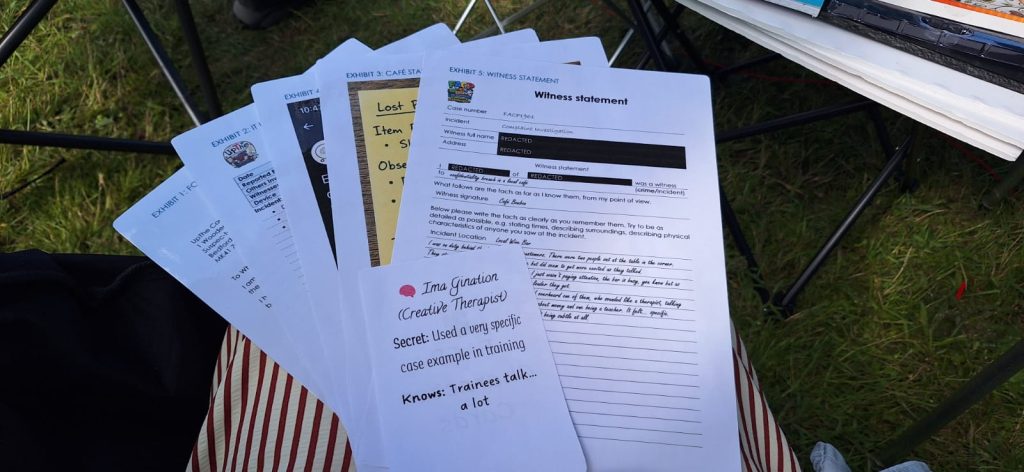
#whodunnit
You Don’t Have to Do This Alone
Counselling may be one-to-one work—but being a counsellor doesn’t have to be.
Spaces like the Bedfordshire Counsellors Network breakfast offer something simple but essential:
a reminder that we are part of something wider.
And sometimes, that reminder is exactly what we need.
The first Well-Being Retreat for the Bedfordshire Counsellors’ Network was a great success. The conversations were enlightening, the space to talk, reflect and share was invaluable, and the friendships and professional connections made were a powerful reminder that, while counselling can sometimes feel like lonely work, none of us has to do it alone.